
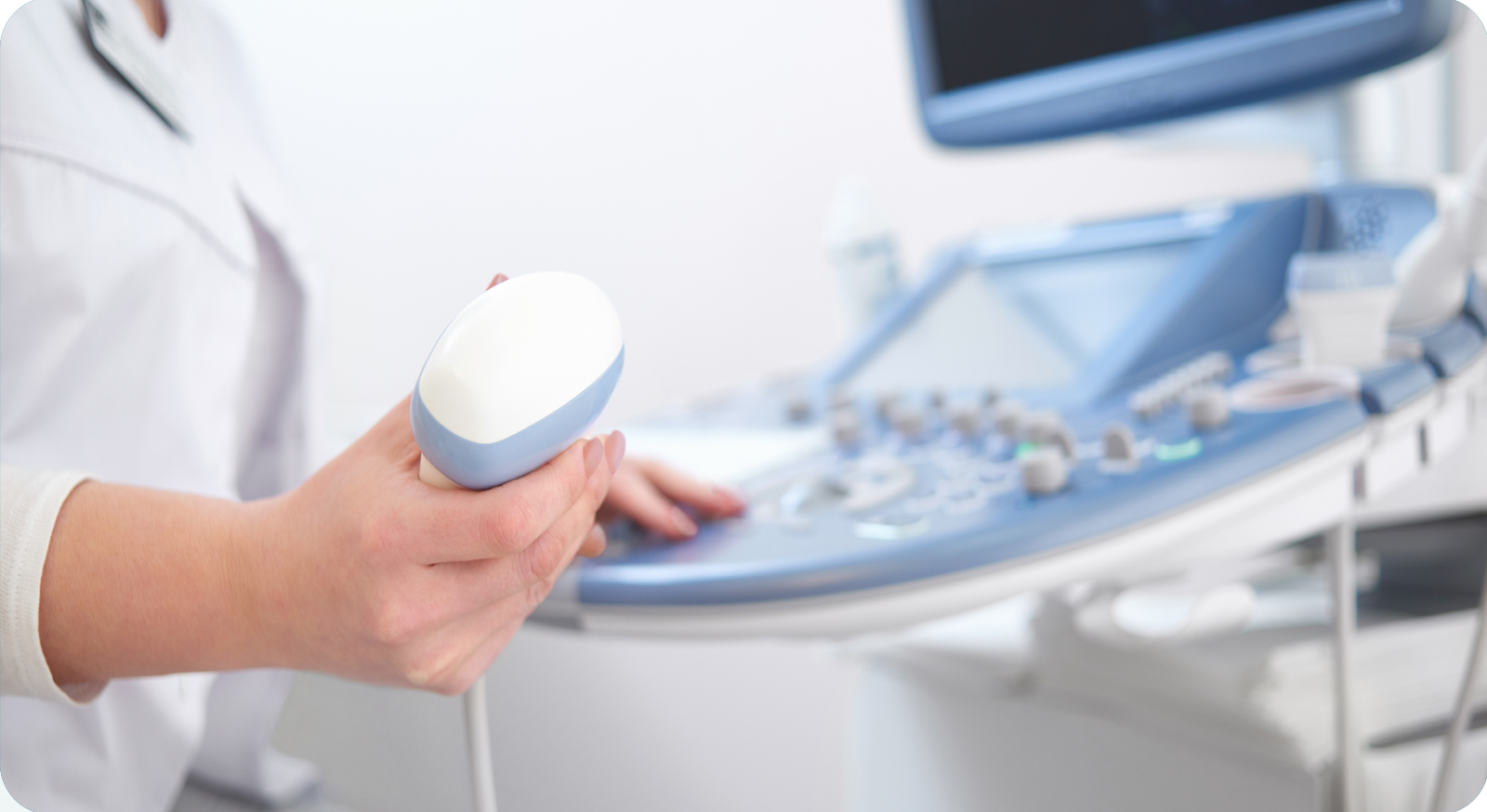
Your imaging department is running at full capacity; schedules are packed. Suddenly, the image from one of your ultrasound probes starts degrading! The first instinct is often to contact the manufacturer for a replacement quote. That's a systemic mistake that costs you thousands of euros and hurts your healthcare facility's carbon footprint.
Medical equipment generates a mountain of waste electrical and electronic equipment (WEEE). Discarding cutting-edge equipment over a faulty cable or a porous lens is an ecological and financial nonsense.
Discover how to build biomedical maintenance into your CSR (corporate social responsibility) strategy. You'll extend your fleet's lifespan, secure your diagnostics, and drastically optimise your clinical budget.
Anatomy of a waste: the ecological impact of systematic replacement
An ultrasound probe is not just a moulded piece of plastic. It's a concentration of complex technologies: it houses rare metals, high-precision printed circuits, and arrays of piezoelectric crystals.
When you discard this equipment prematurely, you waste critical resources. Extracting these raw materials is extremely polluting and energy-intensive. By opting for systematic buy-back instead of fault diagnosis, hospitals and clinics feed a destructive cycle of obsolescence. The real modern solution for a savvy biomedical engineer? Targeted micro-repair.
Technical refurbishment: a boon for biomedical engineering
You demand flawless clinical performance for your patients? That's entirely legitimate.
Repairing a probe doesn't mean tinkering in a garage: it's a high-precision technological intervention. Here's what our expert technicians handle daily in the lab:
- replacement of the acoustic lens degraded by aggressive gels and disinfectants
- rework of the coaxial cabling and removal of electromagnetic interference on the image
- replacement of the connector to eliminate poor contact on the ultrasound machine
- repair of the housing to guarantee perfect water-tightness against bodily fluids
Every square millimetre is tested in a chamber. The penetration depth and axial resolution of the repaired ultrasound probe are rigorously identical to the original manufacturer's (OEM) specifications.
CSR and budget: the double win of the circular economy
Let's talk numbers directly! Replacing a standard probe costs between €4,000 and €10,000. For a transoesophageal (TEE) or 3D/4D matrix probe, the bill often climbs beyond €25,000.
By comparison, repair costs 60 to 80% less on average: you cut your bill by three or four with a single phone call.
The money saved can be reinvested in staff training or improving patient care. On the environmental side, you avoid the manufacturing and transport of new equipment. Your procurement team will love including this virtuous approach in their next environmental impact report.
Frequently asked questions about ultrasound equipment maintenance
Absolutely not! Once handled by a specialist lab, the probe undergoes strict electrical safety tests and phantom measurements. It regains its original performance: this guarantees a flawless diagnosis for the radiologist.
Almost the entire imaging fleet is eligible: linear, convex, endocavity or multiplane transoesophageal probes. Whether the defect is cosmetic (cracked housing) or deeply technical (torn cable, dead crystals), a prior audit determines whether the repair is feasible.
Turnaround time is a major clinical concern. A standard repair generally takes between 3 and 5 working days. Some specialist labs even offer a compatible loaner probe to ensure continuity of care in your department during the intervention.
Take action: stop discarding faulty probes
The era of "throwaway" is definitively over in medicine. Your equipment deserves a high-performing second life.
Got an ultrasound probe showing shadow zones on screen or a damaged cable? Don't sign that purchase order for an overpriced new model! Contact our repair lab today to get a technical diagnosis and a quote. Together, let's ease the pressure on your budget and on the planet.